Yang Li
Date:2026-3-31 16:02:26 Views: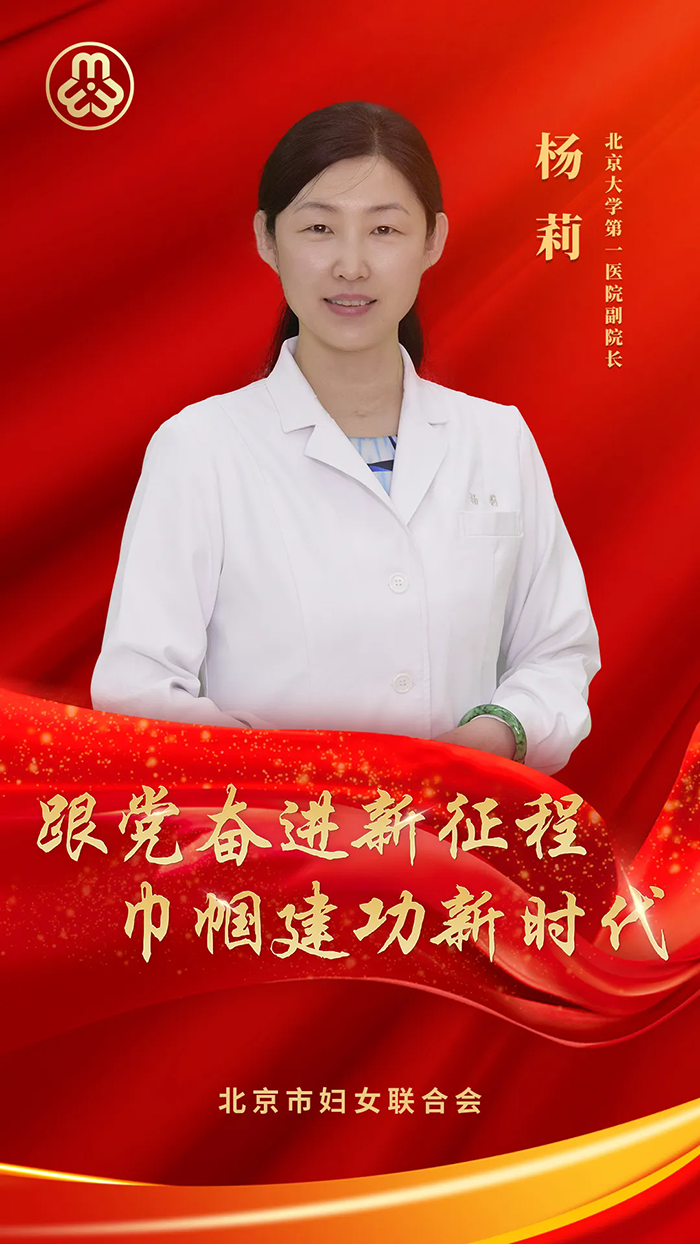
Yang Li is the Vice President of Peking University First Hospital. With decades of experience on the clinical front line, she has consistently upheld the principle of “putting people and lives first”. From consulting rooms to hospital wards, and from pathological diagnosis to precision medicine, she has saved the lives of critically ill patients with exceptional medical expertise and restored function to failing kidneys. She led the establishment of a hospital-wide multidisciplinary team for acute kidney injury, pioneered automatic detection and noninvasive diagnostic approaches for kidney injury in China, and developed a comprehensive system for the safe use of medications in patients with renal risk—building a strong line of defense to protect kidney function in critically ill patients.
After many years of dedicated research, she has led her team in integrating big data and artificial intelligence to create an innovative “Smart Kidney” diagnostic and treatment platform. This system supports the management of acute and severe kidney diseases in hospitals, facilitates coordinated prevention and co-management of kidney-related comorbidities at the community level, and enables precise pathological diagnosis—significantly enhancing diagnosis and treatment capabilities. Her team has also explored cutting-edge fields such as renal regenerative medicine and multimodal imaging. She initiated the world’s first clinical study using human amniotic epithelial cells to treat severe acute kidney injury and launched the world’s first “Digital Kidney” scientific initiative.
Yang Li has published more than 100 papers in leading medical journals, including The Lancet and Nature Medicine. She has contributed to eight international expert consensus statements, led the drafting of four Chinese nephrology guidelines/expert consensuses, and holds more than 10 authorized invention patents, three of which have been translated into practical applications—transforming scientific advances into tangible safeguards for patient health. In addition, she has spearheaded the development of a three-dimensional training framework integrating professional competence, innovative thinking, and a strong sense of responsibility, cultivating a new generation of medical professionals who combine clinical excellence with humanistic care, and advancing the mission of nurturing outstanding talent for the nation.