The 2025 Special Training Program on Enhancing Women’s Leadership Successfully Concluded
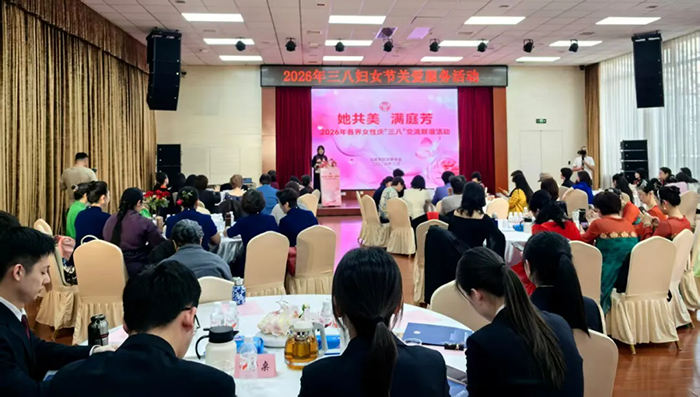
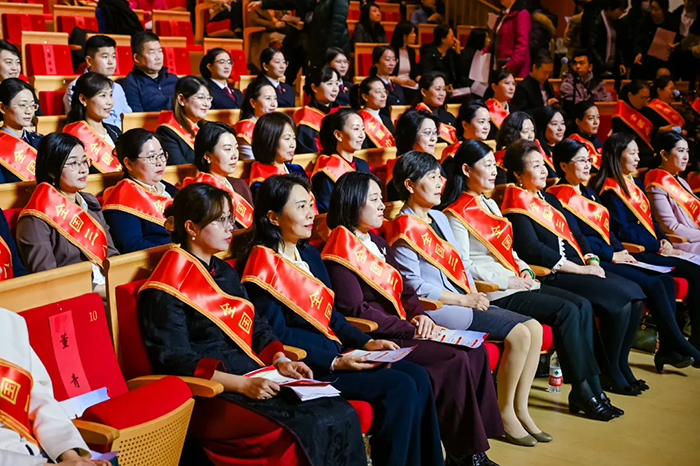
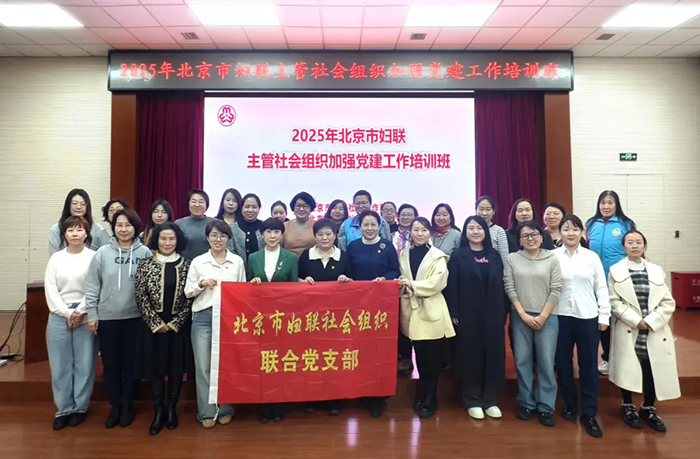
Date:2025-12-1 11:30:00 Views:From November 24 to 28, the 27th Special Training Program on Enhancing Women’s Leadership was held to thoroughly study and implement the guiding principles of the Fourth Plenary Session of the 20th CPC Central Committee, earnestly follow General Secretary Xi Jinping’s keynote speech at the Global Leaders’ Meeting on Women, fully implement his important discourses on women, children, and Women’s Federation work, and carry out his key instructions for Beijing. The program also aimed to reflect on the spirit of the 7th Plenary Session of the 13th CPC Beijing Municipal Committee and to enhance the female leaders’ capabilities in politics, professional expertise, and management. The program was jointly organized by the Organization Department of the CPC Beijing Municipal Committee, the Beijing Women’s Federation, and the Party School of the CPC Beijing Municipal Committee. 53 outstanding women attended the event, including female officials at bureau and division levels from district governments, selected commissions, offices & bureaus, as well as representatives from municipality-run universities and enterprises. Participants also included deputies of the 20th CPC National Congress from the “two enterprises+ three new sectors (referring to mixed-ownership enterprises & non-public enterprises, new economic organizations & new social organizations & new occupation population).”
Zhang Yajun, Secretary of the Leading Party Members’ Group and President of the Beijing Women’s Federation, attended the opening session and delivered the inaugural lecture. Zhao Hongwei, Deputy Secretary and Vice President of the Beijing Women’s Federation, presided over the opening session and presented the closing summary.
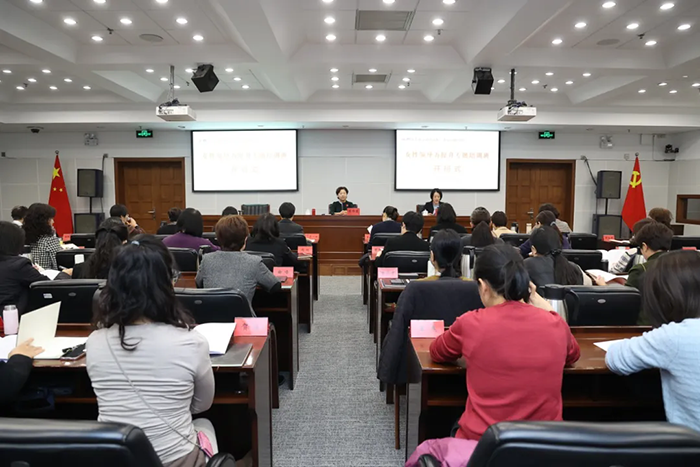
Training Site
President Zhang Yajun delivered a special lecture titled “Implementing the Spirit of the Fourth Plenary Session of the 20th CPC Central Committee and Promoting High-Quality Development of Women’s Causes in the Capital.” She provided a detailed overview of the development of women’s and children’s affairs in Beijing, and systematically explained the Marxist outlook on women, the global evolution of the women’s movement, and China’s fundamental national policy on gender equality. She also offered an in-depth interpretation of the Beijing Women’s Federation’s measures taken by the Beijing Women’s Federation on implementing the guiding principles of the Fourth Plenary Session and advancing the high-quality development of women’s and children’s causes in the capital.
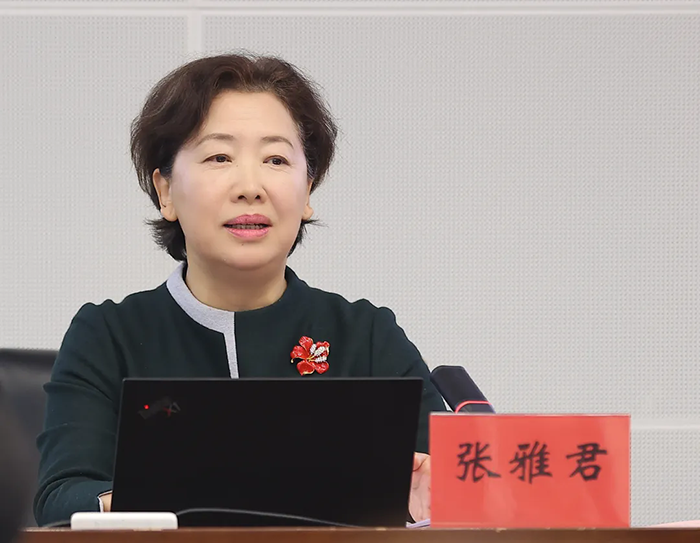
Zhang Yajun Delivering Her Lecture
This training program comprised nine thematic modules, including interpretation of the Fourth Plenary Session, the development of women’s causes in the capital, Beijing’s economic and social development, leadership enhancement, international affairs and foreign policy, frontier artificial intelligence technologies, and public opinion response. Teaching methods included thematic lectures, scenario-based instruction, on-site learning, participant forums, and group discussions. Renowned experts, scholars, and veteran officials were invited to teach, helping participants better understand the objectives and tasks of Beijing’s development in the new era, broaden their perspectives, refresh their thinking, foster innovative approaches, strengthen gender equality perspectives, and improve professional competence and leadership capacity.
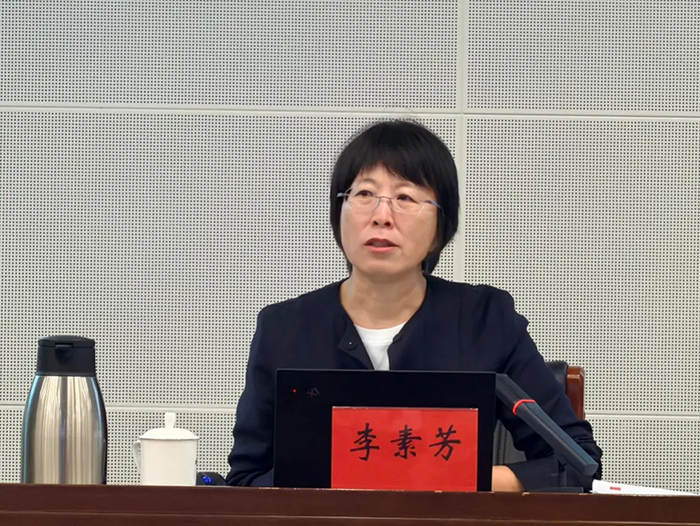
Li Sufang, Secretary of the Leading Party Members’ Group and Director of the Beijing Municipal Bureau of Statistics, delivered a lecture titled “An Overview of Beijing’s Economic and Social Development.”
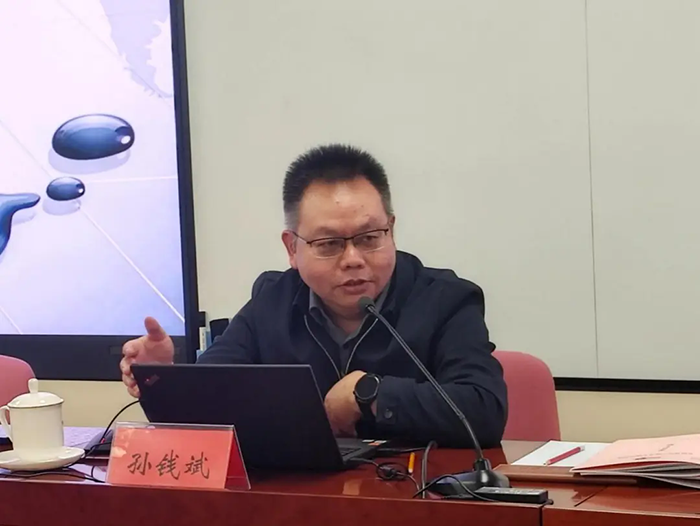
Sun Qianbin, President and Editor-in-Chief of China Women’s News, delivered a lecture on “Improving Public Opinion Guidance and Enhancing Risk Prevention and Mitigation.”
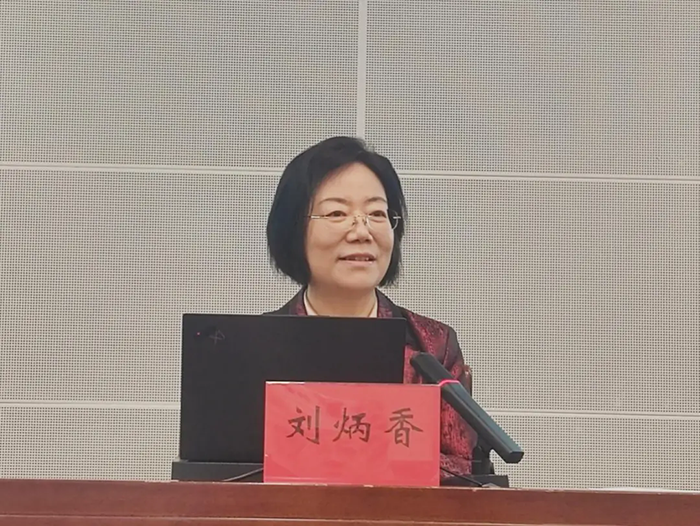
Liu Bingxiang, Second-Tier Professor at the Party School of the CPC Central Committee (National Academy of Governance), delivered a lecture on “Mastering Leadership Science and Enhancing Leadership Art.”
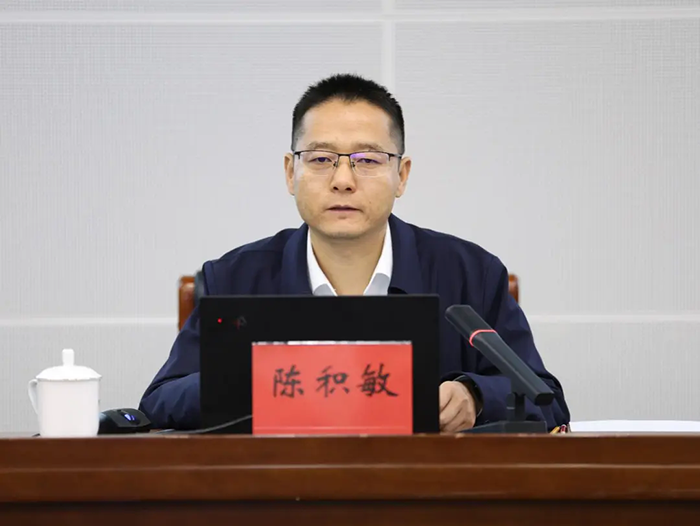
Chen Ji’min, Director and Professor at the Sub-Institute for U.S. and Latin American Studies, Institute of International Strategic Studies, Party School of the CPC Central Committee (National Academy of Governance), delivered a lecture on “International Situation and Major-Country Diplomacy.”
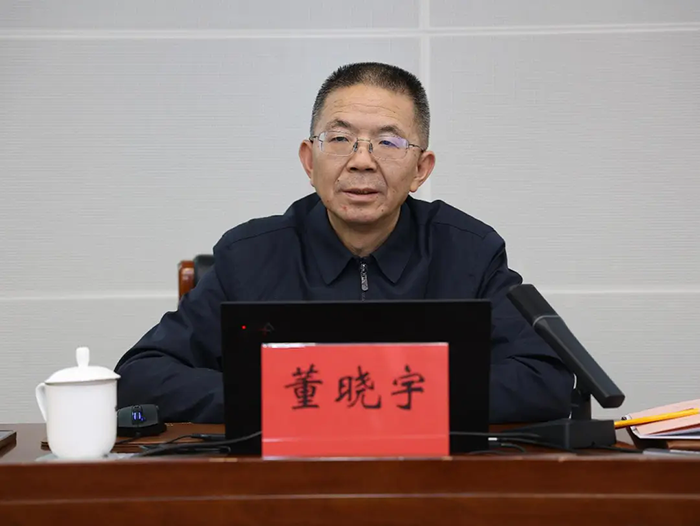
Dong Xiaoyu, Director and Professor of the Public Administration Teaching and Research Department, Party School of the CPC Beijing Municipal Committee (Beijing Administration Institute), delivered a lecture on “Studying and Implementing the Spirit of the Fourth Plenary Session of the 20th CPC Central Committee and Striving to Advance Chinese Modernization.”
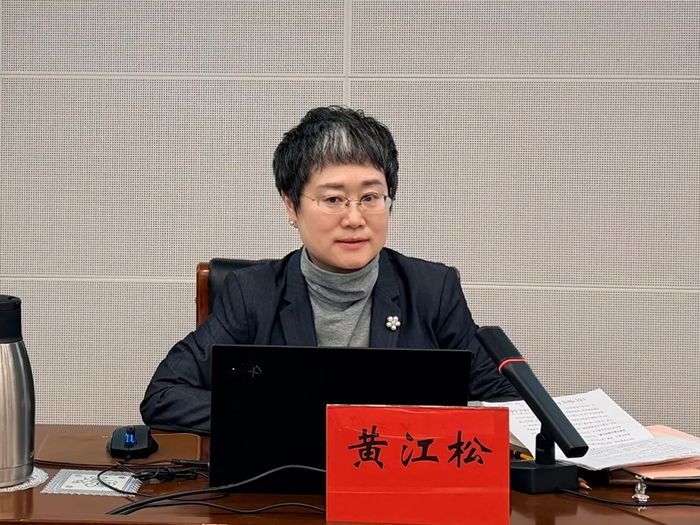
Huang Jiangsong, Professor of the Sociology Teaching and Research Department, Party School of the CPC Beijing Municipal Committee (Beijing Administration Institute), delivered a lecture on “Studying and Implementing General Secretary Xi Jinping’s Important Instructions on Beijing and Promoting High-Quality Development of the Capital.”
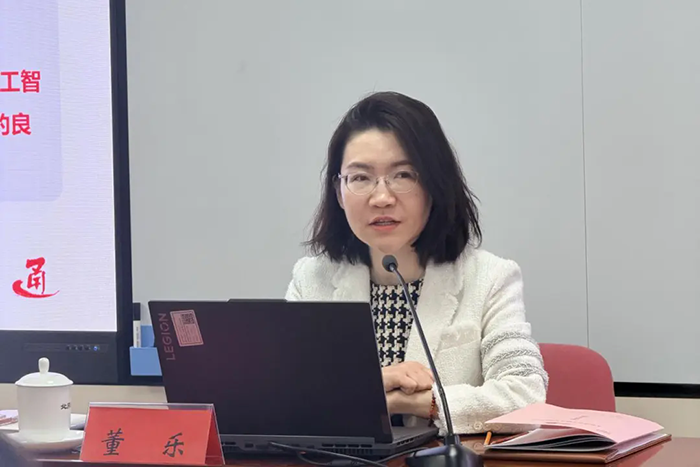
Dong Le, Vice President and Professor at the Beijing Institute for General Artificial Intelligence, and Part-time Vice President of the Beijing Women’s Federation, delivered a lecture on “Overview of Artificial Intelligence Technologies and Their Application Scenarios.”
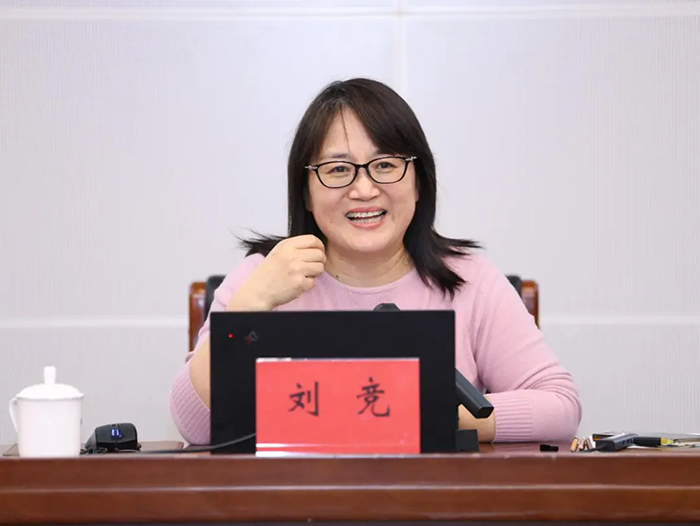
Liu Jing, Chief Clinical Psychologist at Beijing An’ding Hospital, delivered a lecture on “Stress Relief and Care for Women.”
During the scenario-based instruction and on-site learning sessions, participants visited the Jinghua Practice Classroom to engage with the vivid examples of the CPC’s innovative theories as reflected across Beijing. They also toured the National Museum of Women and Children and explored the exhibition “China Progress in Digital and Intelligent Empowerment for Women and Girls,” experiencing firsthand the achievements of technology in empowering women and girls through diverse interactive digital projects.
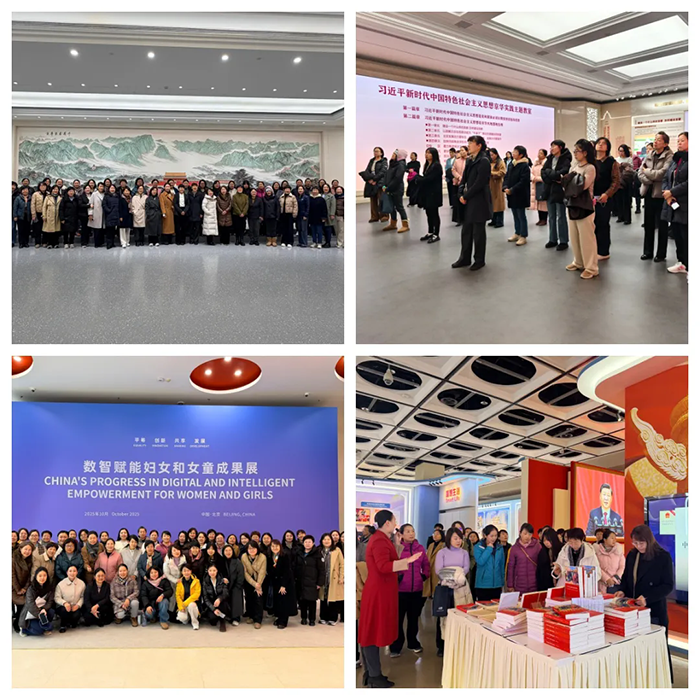
Scenario-Based Instruction and On-Site Learning
During the program, two rounds of group discussions were conducted on the themes “Cultivating and Selecting Women Leaders” and “Enhancing the Role of Women Leaders.” Participants engaged deeply, drawing on their own work practices and experiences to share insights, exchange ideas, identify practical challenges, and offer constructive suggestions. The discussions were lively and productive, fostering consensus and generating collective wisdom.
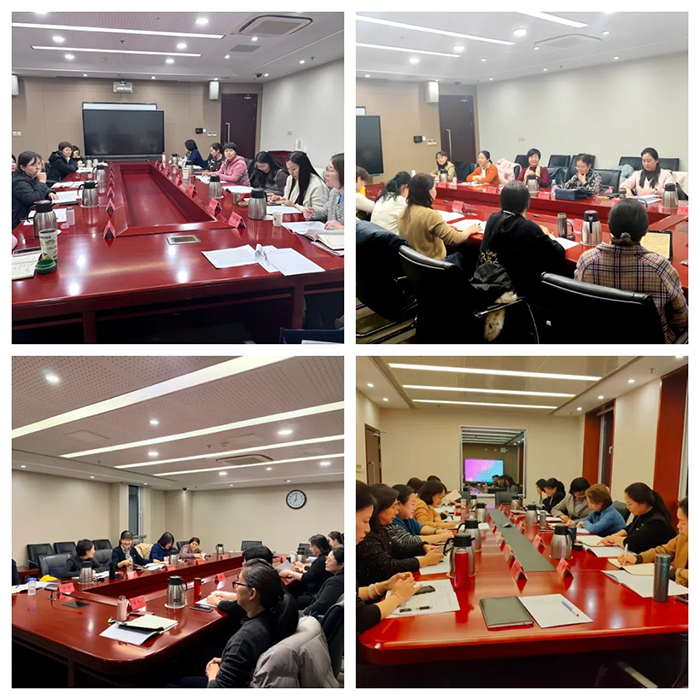
Group Discussion Sessions
At the participant forum session, four representatives—Wang Wei (Secretary of the Leading Party Members’ Group and President of Tongzhou District Women’s Federation), Professor Wang Hongchun (School of Urban Economics and Management, Beijing University of Civil Engineering and Architecture), Zhuge Fukun (Deputy Director of Beijing Youth Service Center/Beijing Drug Prevention Education Base), and Li Ming (General Manager of the Urban Renewal Division, Daxing Construction Group Co., Ltd.)—shared updates on developments within their respective regions, organizations and sectors. Based on group discussions and their own experiences, they also offered suggestions on the cultivation and selection of women officials. Their remarks were theoretically insightful and practically relevant, fully reflecting women leaders’ commitment, diligence, and sense of responsibility in the new era.
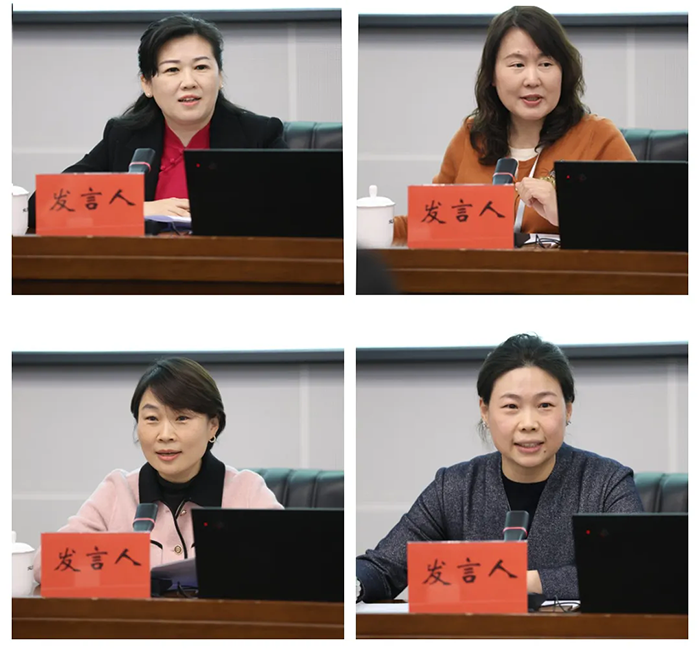
Participants’ Remarks
The training program, designed with a deep understanding of women’s characteristics, offered diverse formats and rich content, achieving excellent results. Participants noted that the program provided valuable opportunities for “learning and empowerment,” and served as a platform for communication and exchange. It helped them elevate their political awareness and strengthen their sense of responsibility and mission. They pledged to transform what they learned into actions in implementing the spirit of the Fourth Plenary Session of the 20th CPC Central Committee and the 7th Plenary Session of the 13th CPC Beijing Municipal Committee. They are committed to contributing women’s strength to Beijing’s high-quality development and to ensuring the successful conclusion of the 14th Five-Year Plan and a good start to the 15th Five-Year Plan.