Beijing Women’s Federation Guides Member Organizations to Play Their Role and Offer Policy Advice on Women’s and Family Well-Being
Date:2026-10-15 10:42:29 Views:
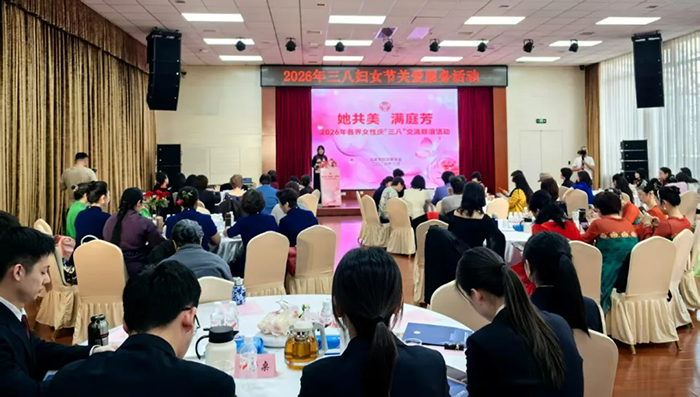
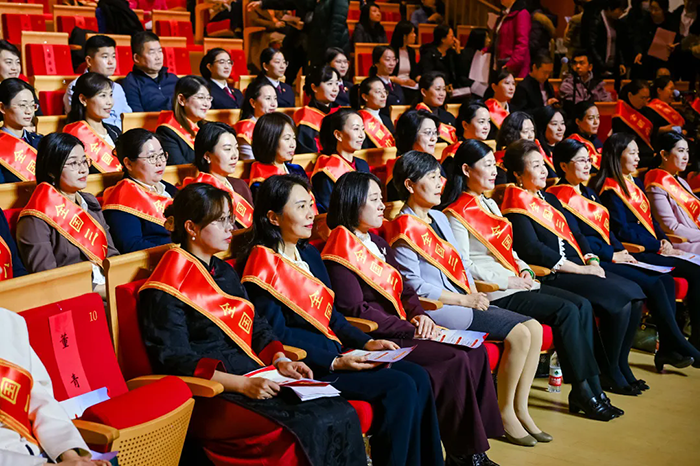
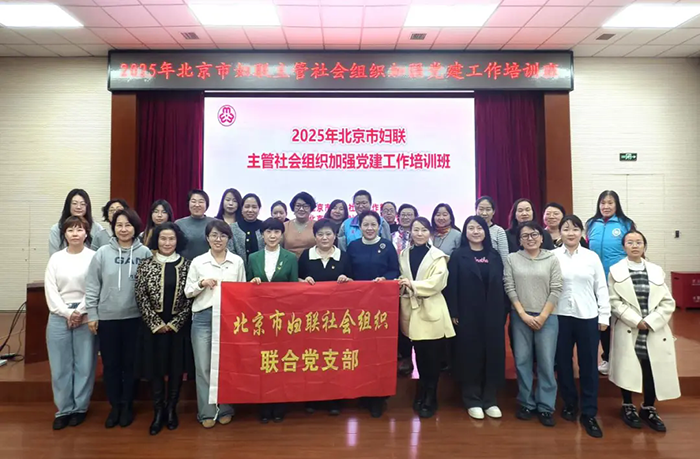
The Beijing Women’s Federation has been actively guiding its member organizations to play a bridging role, supporting women in showcasing their talents and fulfilling their duties across various fields, and contributing their collective strength to women’s development and family building.
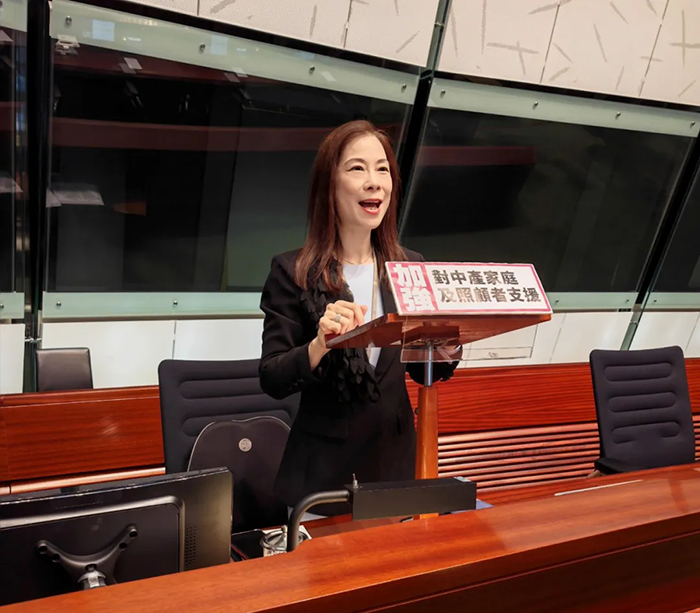
Recently, Chan Man-ki, President of the Beijing Women's Association for Hong Kong, Macao & Taiwan Compatriots and Overseas Chinese and a member of the Legislative Council of the Hong Kong Special Administrative Region (HKSAR), spoke during the joint debate on the Government motion on the First Five-Year Plan for Economic and Social Development of the Hong Kong Special Administrative Region (2026-2030) and the motion of thanks on the Chief Executive’s 2026 Policy Address at a meeting of the HKSAR Legislative Council. She put forward eight proposals to enhance the well-being of women and families, covering women’s development, grassroots community organizations, family values and culture, childcare services, parenting support, protection for vulnerable groups, technology-enabled elderly care, and initiatives to boost consumer spending.
Strengthen support for women’s development. She proposed formulating a Blueprint for the Comprehensive Development of Women in Hong Kong and coordinating cross-bureau efforts to promote high-quality development for women. Give fuller play to the role of grassroots organizations. She called for recognizing the contributions of the Heung Yee Kuk, hometown associations, women’s federations, and other women’s organizations in community building. Promote positive family values and traditional culture. She suggested that the Home and Youth Affairs Bureau should work with the Culture, Sports and Tourism Bureau to add dedicated sections on “Love for the Country and the Family” and “Traditional Chinese Culture” to a one-stop information platform for families and women, and to incorporate family culture into the performance indicators of relevant policy bureaux. Improve childcare services. She proposed using census data to better match services with demand and optimizing the siting of childcare facilities, with priority given to locations near workplaces and public transport hubs to make drop-offs and pick-ups more convenient for working parents. Provide sustained parenting support. To ease financial pressures on middle-income families and young women, she recommended introducing tax allowances for employing foreign domestic helpers, progressive mortgage interest allowances based on the number of children, and tax allowances for textbooks and school fees for children under 18, thereby creating an environment in which families feel confident about having and raising children. Strengthen protection for vulnerable groups. She called for sustained efforts to address child abuse while promptly extending the scope of the offence of failure to protect to cover older people and establishing a mandatory reporting mechanism. Promote technology-enabled elderly care. She proposed introducing a tax allowance for technology products and services for older people’s well-being, and stepping up efforts to advance gerontechnology and smart elderly care. Distribute consumption vouchers to stimulate the economy. To mark the launch of Hong Kong’s first five-year plan and the 30th anniversary of Hong Kong’s return to the motherland, she proposed distributing consumption vouchers worth HK$1,000 or more to each Hong Kong permanent resident aged 18 or above, thereby enhancing residents’ sense of well-being and boosting local consumption.
Going forward, the Beijing Women’s Federation will continue to leverage the networking strengths of its member organizations, unite women around shared goals, and contribute to improving the well-being of women and families.